Recommended Jobs
Key Takeaways
- Butcher, Meat Cutter, and Production roles are closely linked—entry-level production work can become a direct path into skilled butchery.
- Job market strength often follows food service, retail stocking demand, and facility throughput; employers value dependable schedules and clean safety habits.
- Your interview edge comes from demonstrating food safety knowledge, accuracy, speed, and teamwork—without cutting corners.
- Build a “skills story” that connects training, practice, and measurable outcomes (quality, waste reduction, consistency, or throughput).
Why These Openings Matter for Your Career Growth
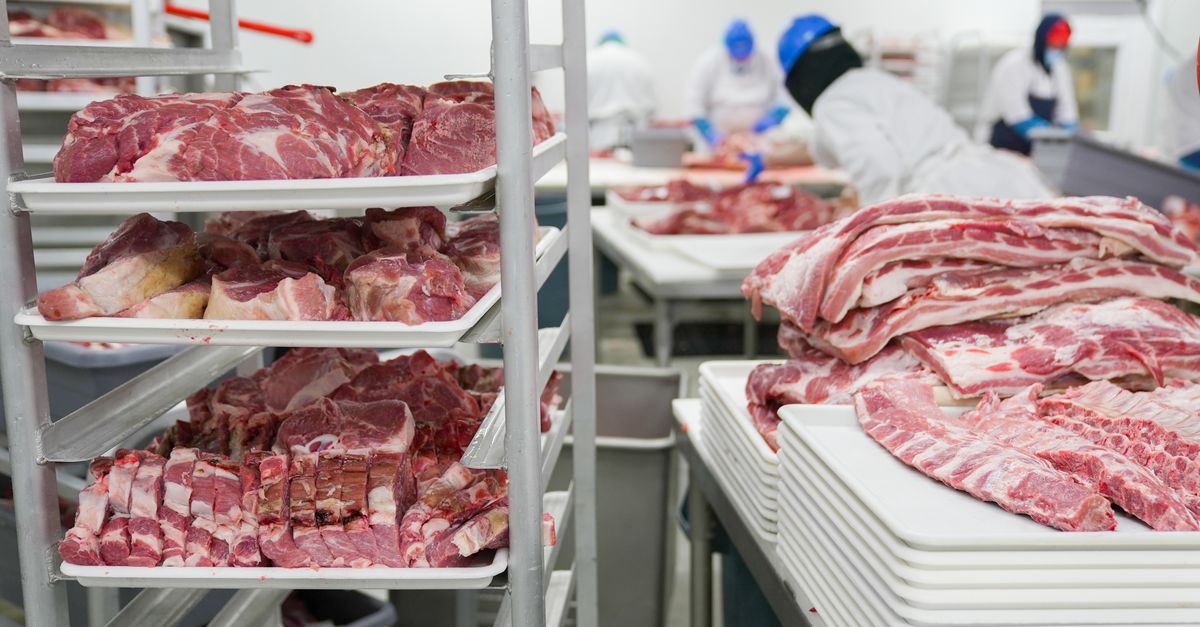
Recent openings for Butcher (Full Time and Part Time), Meat Cutter, Production Helper, and Production Associate point to a steady need across retail and processing environments. These roles share a common foundation: safe food handling, consistent quality, and reliable production support. The career opportunity is that you can choose your entry point—then build upward.
A smart strategy is to treat each job posting as a “skills ladder.” Production helper or production associate roles often emphasize workflow, sanitation, packaging, labeling, and basic handling. Meat cutter and butcher roles add technical knife work, cut selection, trimming, portioning, and accuracy under time pressure. If you’re currently outside the industry, starting in production can still be a powerful move—especially if you communicate your interest in training and progression.
Job Market Trends: What Employers Are Likely Prioritizing
While every region varies, food production and meat processing employers commonly prioritize:
- Food safety compliance: sanitation routines, temperature control awareness, and adherence to SOPs.
- Consistency and accuracy: correct portions, clean cuts, and repeatable quality standards.
- Throughput and reliability: meeting production targets and maintaining steady performance across shifts.
- Team coordination: moving product efficiently through prep, cutting, packaging, and storage.
- Practical training readiness: willingness to learn equipment use, workflow steps, and safety protocols.
Full-time roles may emphasize steady attendance and long-term continuity, while part-time butcher positions often look for candidates who can maintain quality and speed even with variable scheduling. Production helper/associate roles can be a strong “prove-it” pathway if you show that you learn quickly and follow procedures exactly.
Skills Comparison Table: Which Skills Fit Each Role?
| Role | Core Skills | Typical Focus | Growth Potential |
| Butcher (Full Time) | Knife skills, portioning, trimming, sanitation, product knowledge | Consistent cut quality + productivity across shifts | High (to lead cutter, senior butcher, or specialty roles) |
| Butcher (Part Time) | Accuracy under time pressure, hygiene discipline, teamwork | Reliable performance within scheduled coverage needs | Medium to High (depends on training access and hours) |
| Meat Cutter | Cut selection, trimming technique, measuring/portioning | Quality control and repeatable production standards | High (to butcher or department lead) |
| Production Helper | Sanitation, basic handling, workflow support, safety awareness | Speed, cleanliness, and supporting the cutting/packaging line | Medium (can transition into cutter training) |
| Production Associate | Process adherence, packaging/labeling, quality checks, stamina | Running tasks efficiently within SOPs | Medium to High (with demonstrated aptitude) |
Challenges You Should Expect (and How to Handle Them)
1) Physical demands and shift realities
Meat processing and production work can be physically intense—standing, lifting, repetitive motions, and working in cold or controlled environments. The career advantage is that employers often reward consistent stamina and safe movement. Prepare by emphasizing your fitness, your ability to follow lifting safety, and your readiness for shift schedules.
2) Safety and compliance scrutiny
Food handling roles can involve strict audits and internal standards. If you’re interviewing, don’t treat safety as a checkbox. Use specific language: sanitation routines, proper glove/knife handling, temperature awareness, and adherence to SOPs.
3) Learning curves for technical cutting
Knife skills and cut accuracy take time. If you’re applying for butcher or meat cutter roles without extensive experience, you can still stand out by showing:
- you learn quickly and ask good questions
- you practice technique carefully (not rushing)
- you care about waste reduction and clean presentation
Interview Tips That Work for Butcher and Production Roles
Hiring managers typically want proof of two things: quality mindset and process discipline. Use these strategies:
- Talk about safety like a habit: “I follow sanitation steps in order, keep work areas clean, and report issues immediately.”
- Show quality awareness: mention consistency, correct portioning, and attention to product appearance.
- Use outcome language: “I improved turnaround time while maintaining accuracy,” or “I reduced rework by double-checking labels and weights.”
- Ask role-specific questions: “What training is provided for cutting/portioning?” “How is quality measured?” “What are the peak production times?”
- Be transparent about availability: for full-time vs part-time roles, your schedule reliability is often a deciding factor.
How to Build a Career Ladder From Production to Butchery
If you’re starting with Production Helper or Production Associate roles, you can make your progression intentional:
- Master the workflow: learn how product moves from prep to cutting to packaging. Understanding the whole line speeds up your advancement.
- Volunteer for training: once you’re trusted with core tasks, ask about shadowing cutters or learning additional steps.
- Track your reliability: consistent attendance, low error rates, and clean sanitation habits create credibility.
- Develop technical curiosity: learn cut names, typical use cases, and how different trims affect portioning.
For candidates targeting butcher or meat cutter positions, the fastest route is often demonstrating a “ready now” mindset: safety-first behavior, steady speed, and a willingness to improve technique.
Resume and Application Strategy (Without Overcomplicating It)
Your resume should match the role’s real priorities. For butcher/meat cutter roles, emphasize:
- knife or cutting experience (even from informal training, if applicable—present accurately)
- food safety and sanitation exposure
- portioning, trimming, and accuracy
- teamwork in fast-paced production
For production helper/associate roles, emphasize:
- packaging/labeling, basic quality checks, and workflow support
- adherence to SOPs and cleanliness
- stamina and reliability across shifts
Keep your descriptions concrete. If you can’t quantify results, describe your consistency: “maintained accuracy,” “followed SOPs,” “kept stations sanitized,” “supported line speed.”
Frequently Asked Questions (FAQ)
1) What skills matter most for butcher and meat cutter roles?
Employers typically look for knife skills and safety awareness, strong hygiene habits, speed with accuracy, familiarity with cuts and weights, and the ability to follow SOPs and food safety standards. Communication and reliability also matter, especially in production environments.
2) How should I prepare for an interview for a butcher or production role?
Review basic meat cuts and common trimming tasks, be ready to discuss safety procedures (including glove/knife handling and sanitation), and prepare examples of teamwork and time management. Bring questions about training, schedules, and quality expectations.
3) Are production helper or production associate roles a good stepping stone toward butchery?
Yes. Many candidates use production helper/associate roles to learn workflow, equipment basics, packaging/labeling processes, and quality checks. With consistent performance and interest, they can transition into meat cutter or butcher training over time.